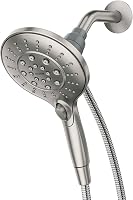
How to Clean a Shower Head and Bring Back the Spray
To clean a shower head, soak mineral buildup in white vinegar, then wipe or gently brush the spray holes and rinse well. For a fixed head, use a vinegar-filled bag; remove a handheld head only if its instructions allow it.
On this page (8 sections)
- How do you clean a shower head with vinegar?
- How do you clean a fixed shower head without removing it?
- How do you clean a handheld shower head?
- How do you clear clogged spray holes safely?
- Why does hard water clog a shower head?
- How often should you clean a shower head?
- What should you avoid when cleaning a shower head?
- Which shower head features help with cleaning?
To clean a shower head, soak mineral buildup in white vinegar, then wipe or gently brush the spray holes and rinse well. For a fixed head, use a vinegar-filled bag; remove a handheld head only if its care instructions allow it.
A clogged shower head often has a few blocked holes rather than a problem with the whole plumbing system. Cleaning the face and flushing the head may bring the spray back, but persistent weak flow can have another cause.
How do you clean a shower head with vinegar?
Use white vinegar to loosen mineral deposits, then rinse the shower head thoroughly. Check the care instructions first, since vinegar may not suit every finish or material.
- Turn off the shower and let the head cool.
- Put white vinegar in a bowl or a sturdy bag.
- Submerge a removable head, or secure the bag around a fixed head so the spray face sits in the vinegar.
- Let it soak for about 30 minutes, then check the holes.
- Wipe the face with a soft cloth or gently brush it with a soft toothbrush.
- Rinse the head and run the shower to flush away loosened debris.
Use enough vinegar to cover the spray face, not the whole shower assembly. If the deposits remain, repeat a shorter soak rather than scraping at them.
Don't mix vinegar with bleach or other cleaners. Keep the bag secure and avoid putting weight on the shower arm.
Can you soak every shower head in vinegar?
No, check the manufacturer's care advice before soaking. Vinegar can harm some finishes or materials, and long exposure may cause damage even when a short soak is acceptable.
If the instructions rule out vinegar, wipe the face with a damp cloth and use an approved cleaner. Skip abrasive pads and strong chemicals unless the manufacturer specifically recommends them.
How do you clean a fixed shower head without removing it?
Secure a vinegar-filled bag around the head so the spray face is covered. Use a sturdy bag and a soft tie, and make sure its weight won't pull on the shower arm.
Fill the bag only enough to immerse the spray holes. After the soak, remove it carefully, wipe the face, and run the shower until the water clears.
If the head is loose at the wall or the bag won't stay in place, don't force the setup. A removable handheld head can be easier to clean in a bowl, if its instructions allow removal and soaking.
How do you clean a handheld shower head?
Detach a handheld head only if its instructions allow it, then soak and rinse the spray face. Keep the hose from twisting while you remove the head.
For cleaning steps that involve taking off the fitting, see how to remove a shower head without damaging it. If you want a handheld model with a magnetic dock, the Moen Engage Magnetix handheld shower head, chrome has a detachable design and a magnetic docking system.
A detachable head also lets you rinse the shower walls and tub after cleaning. The guide to shower heads with a handheld explains what that added reach can do for everyday use.
How do you clear clogged spray holes safely?
Wipe or gently brush the spray holes after soaking. A soft toothbrush can lift loosened deposits without the risk of poking into the holes with a sharp tool.
Don't use needles, knives, or stiff wire to clear a clog. These can scratch the face or widen an opening, which may change how water sprays.
Some shower heads have flexible rubber spray nozzles that can be rubbed gently to loosen residue. Use that method only if the head has that feature, and follow its care instructions.
Should you use a cleaning spray or power-wash setting?
A focused spray can help rinse soap residue from nearby surfaces, but it doesn't replace cleaning the shower head's clogged holes. The Delta ProClean shower head with handheld, brushed nickel has a ProClean spray and Touch-Clean spray holes that Delta describes as wipeable for mineral residue.
For a separate handheld head with a built-in tub and tile wash mode, the AquaCare 8-mode high pressure handheld shower head includes a power-wash mode and anti-clog nozzles. Choose those features for surface rinsing or nozzle maintenance, not as a substitute for following care directions.
Why does hard water clog a shower head?
Hard water can leave mineral deposits around spray holes. As deposits build, some openings may become blocked and the spray can turn uneven or weak.
A vinegar soak may loosen those deposits, but it won't fix every flow problem. If the shower remains weak after cleaning, check whether other taps have low flow and read how to fix low water pressure in your shower.
Don't assume the head is worn out after one clog. If cleaning no longer restores an even spray or parts are damaged, how long shower heads last can help you decide whether replacement makes sense.
How often should you clean a shower head?
Clean it when the spray becomes uneven or visible buildup appears. Homes with hard water may need more frequent attention than homes with fewer mineral deposits.
A quick wipe of the spray face during regular bathroom cleaning can slow residue buildup. Check the nozzles and rinse away soap or grime before it dries.
If the head clogs again soon after cleaning, consider whether hard water deposits are recurring. The right cleaning interval depends on your water and the shower head's care instructions.
What should you avoid when cleaning a shower head?
Avoid sharp tools, abrasive cleaners, and long vinegar soaks unless the maker approves them. These can damage spray holes or finishes.
Don't hang a heavy bag from a loose shower arm, and don't twist the hose while detaching a handheld head. Stop if a fitting resists; forcing it can lead to leaks or damage.
Never combine cleaning chemicals. Rinse the head and nearby surfaces well before using the shower again.
Which shower head features help with cleaning?
A detachable head helps you direct water around the shower, while wipeable nozzles can make routine care easier. Pick features that match how you clean and how often you need to reach the tub or shower walls.
For easy docking and a handheld rinse, consider the Moen Engage Magnetix. For a spray head Delta says can be wiped to clear mineral residue, consider the Delta ProClean.
For a handheld with anti-clog nozzles and a tub and tile wash mode, consider AquaCare.
To compare more options, browse handheld and combo shower heads. If cleaning doesn't restore an even spray, check for other causes of low flow before replacing the head.
Frequently asked questions
How long should you soak a shower head in vinegar?
Start with about 30 minutes for light mineral buildup, then check whether the spray holes are clear. Heavier deposits may need more time, but follow the shower head maker's care instructions and avoid leaving finishes or parts in vinegar longer than recommended.
Rinse thoroughly before using the shower.
Can you clean a shower head without removing it?
Yes. Tie a bag filled with white vinegar around the shower head so the spray face is submerged, taking care not to strain the shower arm.
After soaking, remove the bag, wipe or gently brush the holes, and run water to flush out loosened deposits.
What clears clogged shower head holes?
Vinegar can loosen mineral deposits that clog spray holes. After soaking, use a soft toothbrush or cloth to remove residue, then rinse and run the shower.
Avoid sharp metal tools, which can damage the holes or change the spray pattern.
Can vinegar damage a shower head finish?
It can affect some finishes or materials if left on too long. Check the maker's care instructions before soaking, especially for coated or specialty finishes.
If vinegar isn't recommended, wipe the face with a damp cloth and use only a cleaner approved for that shower head.