How to Fix Low Water Pressure in Your Shower
To fix low water pressure in your shower, clean the shower head, check that the valve is fully open, and compare pressure at other fixtures. If the problem affects the whole home or started suddenly, check for a plumbing issue before replacing the head.
On this page (7 sections)
- How do you fix low water pressure in a shower?
- Why does a shower have low pressure when other taps work?
- How can you tell whether the problem is the shower head?
- What if the shower is weak throughout the home?
- Could the shower valve cause low pressure?
- Can a high-pressure shower head solve the problem?
- What should you do if cleaning does not help?
To fix low water pressure in your shower, clean the shower head, check that the valve is fully open, and compare pressure at other fixtures. If the problem affects the whole home or began suddenly, look for a supply or plumbing issue before replacing the head.
Start with the easiest checks: remove mineral buildup, make sure the shower valve opens fully, and see whether nearby faucets also run weakly. These steps help you tell a clogged head from a problem elsewhere.
How do you fix low water pressure in a shower?
Clean the shower head first, then check the valve and compare water flow at other fixtures. This order can identify a simple blockage before you spend money on a replacement.
- Run the shower and note whether the flow is weak at every setting.
- Clean the shower head and its inlet screen if it has one.
- Check that the handle or control opens fully.
- Compare flow at a sink or tub faucet.
- If safe, remove the head and briefly test flow from the shower arm.
- Call a plumber if several fixtures are affected or the issue persists.
Keep the head and any washers or screens together while you work. If you aren't comfortable removing the head, use the cleaning steps in our guide to how to clean a shower head.
Why does a shower have low pressure when other taps work?
If sinks run normally but the shower does not, check the shower head, its screen, and the shower valve. A restriction close to the shower is more likely than a whole-home supply problem.
Mineral deposits can clog spray openings over time, especially where water is hard. A small screen at the head or connection can also catch debris after plumbing work.
A valve that does not open fully can limit flow. If the control feels loose, sticks, or no longer changes flow as expected, the valve may need attention.
Some shower heads include a flow restrictor to limit water use. Check the product instructions before altering it, and follow local plumbing rules.
How can you tell whether the problem is the shower head?
Briefly testing the shower arm with the head removed can show whether the head is restricting flow. Turn off the shower before removing it, protect the finish with a cloth, and avoid forcing a stuck connection.
First, check the head for visible mineral buildup and rinse any removable screen. You can also soak a compatible head as its instructions allow, then rinse it well before reinstalling.
If water flows more freely from the bare shower arm, the head or its screen may be clogged or restrictive. Our guide to removing a shower head, including a stuck one explains how to take it off without twisting the shower arm.
If flow remains weak with the head removed, the cause may be the valve or plumbing. Don't open a wall or force a valve; get a plumber's help if the source isn't clear.
When does a replacement shower head make sense?
A replacement makes sense if the head is damaged, difficult to clean, or still produces an unsatisfying spray after cleaning. It won't correct low incoming pressure or a partially blocked pipe.
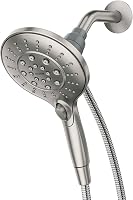
The HammerHead is a compact fixed head with a 2 in face, metal construction, an adjustable spray pattern, and a brass pivot ball. Those features may suit you if you want a small fixed head and the shower-arm flow is otherwise adequate.
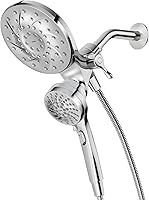
The AquaCare is a handheld option with 8 settings, anti-clog nozzles, a 72 in hose, and brackets for overhead and low-reach mounting. Its multiple spray options can help if you want to change how the water reaches you, though it won't increase the home's supply pressure.
For a fixed head with several spray patterns, the Fire Hydrant Spa has 5 settings and a short body. Its maker describes it as designed for low water pressure, but check the shower arm and plumbing first if the weak flow affects other fixtures too.
What if the shower is weak throughout the home?
When several faucets or showers have weak flow, check for a wider supply problem. A shower head swap is unlikely to address a shared issue.
Ask whether the change followed plumbing work, a shutoff, or a leak. Check only valves you can access safely, and make sure they are fully open without forcing them.
If you use a well, consider whether other household symptoms point to the pump or pressure system. For city water, a sudden change across multiple fixtures may need attention from your water provider or a plumber.
Call a plumber if you see water damage, hear water running when fixtures are off, or notice pressure dropping sharply. These signs can point to a leak or a plumbing fault that needs diagnosis.
Could the shower valve cause low pressure?
Yes, a faulty or partly closed shower valve can limit flow even when other taps work normally. The handle may feel different, or the problem may affect both hot and cold water.
Temperature-control valves can also limit flow when their parts are worn, scaled, or mismatched. Avoid removing trim or adjusting internal stops unless you know the valve model and its instructions.
If you're unsure what valve is behind the wall, read what shower valve you need before planning a replacement. If you are comparing temperature-control types, our guide to pressure-balance versus thermostatic valves explains the basic difference.
Can a high-pressure shower head solve the problem?
A high-pressure shower head may make the spray feel more focused, but it cannot fix a weak supply or a plumbing restriction. Find the cause first, then choose a head for the spray style and reach you want.
A compact head can direct water through a smaller face, while a handheld head adds control over where the spray lands. Product descriptions may use terms such as “pressure boosting,” but that doesn't mean the head raises household water pressure.
For a more focused comparison, see shower heads for homes with low water pressure. Compare spray patterns, connection type, and cleaning needs alongside any pressure claims.
What should you do if cleaning does not help?
If the head is clean and the shower still runs weakly, check the valve and compare other fixtures before replacing parts. Persistent or sudden low flow can point to a supply problem that needs a plumber.
Write down when the problem began and whether hot water, cold water, or both are affected. This can help a plumber narrow down whether the issue is at the shower valve or farther upstream.
Don't force a corroded head or valve, and don't remove parts behind the wall without the right tools and instructions. A small leak can become a larger repair if a fitting breaks.
For low flow isolated to the shower, choose a replacement head only after checking the connection and cleaning the old one. Choose a plumber if multiple fixtures are weak, the change was sudden, or the accessible checks don't restore flow.
Frequently asked questions
Why is my shower pressure low but the sink is fine?
When only the shower has weak flow, the cause is often near the shower head or its valve. Mineral buildup, a blocked screen, a partly closed valve, or a flow restrictor can reduce the spray.
Clean the head first, then compare flow with the head removed if you can do so safely.
Can a shower head increase water pressure?
A shower head cannot raise the home's incoming water pressure. Some designs shape or concentrate the flow into a stronger-feeling spray, but first clear buildup and check the plumbing so a new head doesn't hide a larger issue.
Should I remove the flow restrictor from my shower head?
Check the shower head instructions and local water rules before changing a flow restrictor. Removing it may increase water use and may not solve weak pressure caused by a clogged head, valve, or supply problem.
When should I call a plumber about low shower pressure?
Call a plumber if several fixtures have weak flow, pressure changes suddenly, you see a leak, or cleaning the shower head and checking accessible controls do not help. A professional can check the supply, valve, and pipes without risking damage behind the wall.