What Shower Valve Do I Need?
The shower valve you need depends on your existing trim, plumbing connections, and whether the shower also serves a tub. Match the valve to the trim system and confirm its connection type before buying.
On this page (7 sections)
- What shower valve do I need for my bathroom?
- Does your shower need a pressure-balancing or thermostatic valve?
- Why do valve and trim compatibility matter?
- What connection details should you check?
- When should you choose a complete shower system?
- What should you do before ordering a shower valve?
- Which shower valve should you choose?
The shower valve you need depends on your existing trim, plumbing connections, and whether the shower also serves a tub. Match the valve to its trim system, then confirm the connections before buying.
A shower valve sits behind the wall and controls water flow and temperature. The visible handle and trim may look like the main parts, but compatibility with the hidden valve determines whether a trim-only update will work.
What shower valve do I need for my bathroom?
Start by identifying the valve system already installed. Find the brand and model on the trim, instructions, or any records from a past remodel, then check which valve the replacement trim requires.
A handle that looks similar to another brand's handle does not confirm that the valves match. Even products from one brand can use different valve families.
If you can reach the plumbing from an access panel or the room behind the shower, take clear photos of the valve and connections. Avoid removing plumbing parts just to identify them; a plumber can inspect an unknown valve.
For a full tub-and-shower replacement, a kit that includes its valve may simplify the parts list. If you are changing only the visible finish, first see how to replace a shower trim kit without a new valve.
Does your shower need a pressure-balancing or thermostatic valve?
Choose the control type by how you want temperature managed and what your plumbing supports. Pressure-balancing valves react to pressure changes, while thermostatic systems are designed to control temperature separately.
A pressure-balancing valve can help reduce sudden hot or cold changes when another fixture changes water pressure. It still depends on your water heater and the valve's setup, so it does not guarantee a perfect temperature in every situation.
A thermostatic system may suit a bathroom where setting temperature independently is a priority. Check how its controls work and whether the complete system includes the valve and trim you need.
The pressure-balance vs. thermostatic valve guide explains the tradeoffs in more detail. Don't choose by the word “thermostatic” alone; confirm the controls and installation requirements.
What shower valve do I need for a tub and shower?
A tub-and-shower setup needs a valve arrangement that works with both outlets. Check whether the system includes a tub spout connection and how it directs water between the tub and shower.
Some kits include the valve, trim, showerhead, and tub spout together. That can reduce the chance of missing a required piece, but you still need to confirm the connection type and fit for your plumbing.
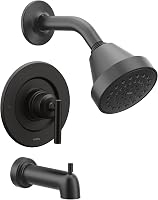
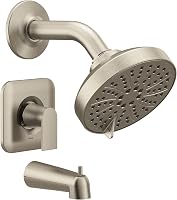
The Moen Idora Posi-Temp kit includes a rough-in valve, valve trim, showerhead, and IPS threaded tub spout. Its tub spout requires a threaded pipe, so check that connection before choosing it.
If you are replacing only a faucet set, compare the parts and connections in our guide to the best tub and shower faucet sets.
Why do valve and trim compatibility matter?
The trim must be designed for the valve behind your wall. A mismatch can leave you with parts that do not attach or operate as intended.
The Moen M-Pact Posi-Temp valve is designed for Moen Posi-Temp cycling trim kits only. It has 1/2-inch IPS threaded connections, so verify both the trim system and plumbing connections before selecting it.
A valve's brand is only part of the match. Confirm the exact valve family, number of handles or controls, outlet arrangement, and connection type.
For more on the parts involved, read shower valve vs. diverter: what each part does. A diverter directs water between outlets, while the valve controls water flow and temperature.
What connection details should you check?
Compare the valve's inlet and outlet connections with your existing plumbing. Look for the connection type and size in the product instructions, valve markings, or installation records.
Threaded IPS or FIP connections need compatible threaded plumbing. Other valves may use different connection methods, so don't assume that a common pipe size means the fitting will connect directly.
Check the number and purpose of the valve's ports, too. A tub-and-shower arrangement can need a different outlet layout from a shower-only setup or a system with multiple spray outlets.
If a system includes a new valve, review the installation requirements before ordering. A valve replacement can involve opening the wall and adapting plumbing, which is a different job from changing a handle or showerhead.
When should you choose a complete shower system?
Choose a complete system when you want its valve, trim, and shower outlets supplied as a coordinated set. Confirm that the included parts match your bathroom layout and installation needs.
The SR SUN RISE thermostatic system includes a mixer valve with trims, a 12-inch rain shower head, a handheld shower head, and a wall-mounted shower arm. It has separate shower controls and a child safety lock; check the setup and plumbing requirements before choosing it.
This style makes sense when you want both overhead and handheld outlets and are planning a broader change. If you only need a new trim kit, buying a full system may add parts you don't need.
See shower faucet sets that include the valve for more complete-set options. For installation planning, use how to install a shower system to map the work before buying.
What should you do before ordering a shower valve?
Record the valve brand and model, trim family, connection type, and whether the setup serves a tub. Compare those details with the replacement instructions and included parts.
If you cannot identify the existing valve, pause before buying a trim-only kit. A plumber can inspect the valve and tell you whether the planned change needs a new rough-in valve or just compatible trim.
For a new installation, decide first whether you need a shower-only outlet, a tub spout, or more than one shower outlet. Then select a valve and trim system made for that layout.
Which shower valve should you choose?
For a valve replacement, pick a model that matches the existing trim system and pipe connections. The Moen M-Pact Posi-Temp is an option for a compatible Moen Posi-Temp trim setup with 1/2-inch IPS connections.
For a coordinated tub-and-shower refresh, consider a kit that includes its valve and spout, after confirming the pipe connection. For overhead and handheld outlets with thermostatic control, compare a complete system and its installation needs.
Still unsure which shower valve you need? Identify the hidden valve before ordering, and use are shower trim kits universal? to check whether your trim can work with it.
Frequently asked questions
How do I know which shower valve I need?
Identify the trim brand and valve system behind your current handle, then check whether your setup serves a shower only or a tub and shower. Confirm the valve's connection type and size against your plumbing.
If the valve is hidden and its model is unclear, a plumber can identify it before you buy trim or a replacement.
Can I replace a shower valve without opening the wall?
Sometimes, but it depends on the valve design, access from behind the wall, and whether the replacement fits the existing plumbing. Trim-only replacement may avoid opening the wall when the installed valve is compatible.
Replacing the rough-in valve often requires access to the plumbing, so check the installation instructions or consult a plumber.
Is a thermostatic shower valve better than a pressure-balancing valve?
Neither is right for every bathroom. A pressure-balancing valve responds to changes in water pressure to help keep temperature steady, while a thermostatic system is designed to control temperature separately.
Check the valve's controls, trim compatibility, and installation needs, then choose the type that suits your household.
Do shower valves fit all trim kits?
No. Trim kits are often designed for a particular valve brand or system, so matching the brand alone may not be enough.
Check the valve model and the trim's compatibility before ordering.
Our guide to whether shower trim kits are universal explains what to verify.